Buying a Mexican company: What foreign buyers should uncover – and price in – before signing, or why tax and corporate due diligence is not a checklist
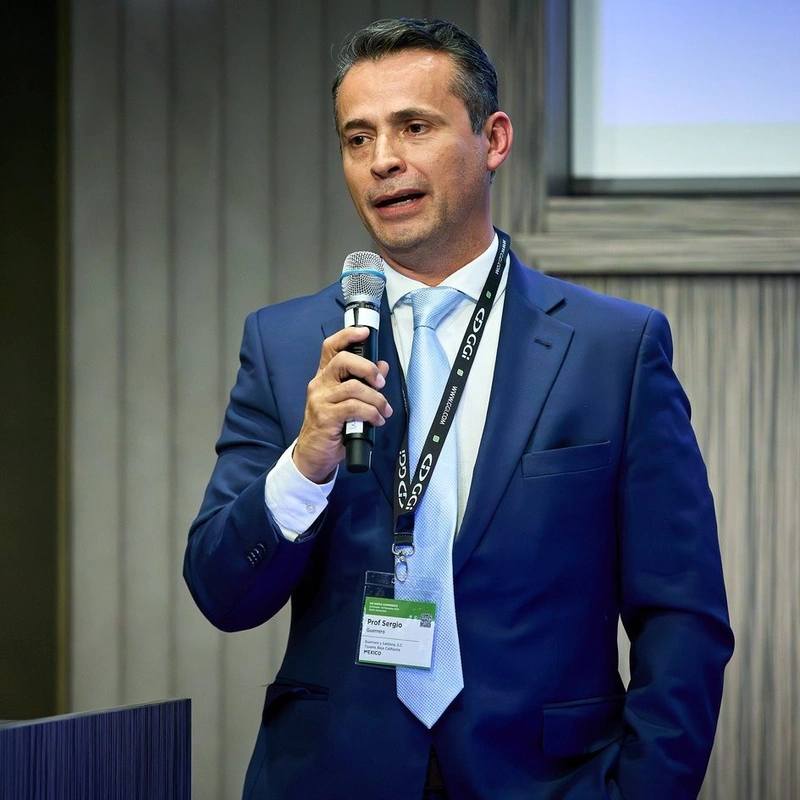
by Prof Sergio Guerrero Rosas
Would you pay the same price if the company's largest tax asset could not be recovered, its premises required a new lease, and its best customer could leave after closing? These are valuation questions. Too often, they reach the buyer as legal or tax findings after the commercial terms have already been agreed.
For international advisers guiding clients into Mexico, local due diligence matters most while there is still room to negotiate.
A positive opinion is only the beginning
Mexico's Tax Administration Service (Servicio de Administración Tributaria, or SAT) compliance opinion is useful, but it does not certify that taxes were calculated correctly. An electronic invoice alone does not establish that a service was actually performed. Buyers need to connect significant deductions to contracts, deliverables, and business activity. Could the company defend its position if challenged?
Tax assets also need a commercial reading. Value-added tax balances and tax losses may support the asking price, yet their value depends on evidence, recoverability, and applicable restrictions. A balance that takes years to recover cannot be priced like cash available at closing.
Buy the earnings you can keep
Consider the example of a founder-owned manufacturer. Its reported profits benefit from below-market rent on a building owned by the seller, and a key customer contract requires consent for a change of control. Neither issue necessarily prevents an acquisition. But both can change its economics.
Before applying an EBITDA multiple, establish the recurring costs the buyer will actually bear and the revenue it can retain. Otherwise, the buyer risks paying a premium for earnings that disappear with the founder.
Corporate history is equally important. Share transfers, capital contributions, shareholder loans, and approvals should tell a consistent story. Gaps can affect what the seller can transfer, or reveal repayment obligations missing from the model.
Make every finding earn its place
A useful report will explain the amount at risk, the evidence behind it, and the decision required. An ownership issue may need correction before closing. Historical tax exposure may call for a specific indemnity supported by escrow. A recurring expense belongs in the earnings adjustment. These protections are not interchangeable. A seller's promise to reimburse a loss is only as useful as the buyer’s ability to enforce it and collect.
Foreign buyers and their advisers should bring Mexican tax and corporate specialists into the valuation discussion before price and protections harden. Ask these experts to test the assumptions behind the investment, then translate findings into negotiating points.
My advice to a buyer is simple: do not ask only whether the company is compliant. Ask what you will need to spend, fix, or defend once it is yours. That is where due diligence starts protecting the investment.
Prof Sergio Guerrero Rosas, Managing Director at Guerrero y Santana, has over 25 years’ experience advising companies from SMEs to multinationals, as well as individuals, on tax and estate planning. He is also Global Vice Chair of the GGI Trust & Estate Planning (TEP) Practice Group.